
Best Asset Management Software for Multifamily Reporting

Asset management reporting is one of the hardest workflows to scale in multifamily.
Portfolio leaders need clean answers to basic questions:
- How is each asset performing?
- Where is NOI at risk?
- Which properties are behind budget?
- Are lease, rent roll, and billing records accurate?
- Where are compliance or operational issues emerging?
- Which assets need intervention?
The challenge is that the answers usually live across multiple systems.
Property management systems hold resident and accounting data. BI tools display performance dashboards. Asset managers keep notes in spreadsheets. Lease audit findings sit in separate reports. Acquisition diligence lives in another folder entirely.
That is why multifamily teams are rethinking the best software stack for multifamily management.
The strongest stack does not rely on one system to do everything. It connects property management software, asset management tools, reporting platforms, document systems, and operational intelligence layers into a more reliable reporting workflow.
For broader category context, see multifamily property management software →
Why Multifamily Reporting Is So Difficult
Multifamily asset management depends on accurate, timely, and complete information.
But reporting often breaks down because data lives in silos across:
- PMS platforms
- accounting systems
- rent rolls
- lease documents
- BI dashboards
- document management systems
- acquisition files
- operational reports
- compliance workflows
- resident portals
The result is a reporting process that becomes too manual.
Asset managers spend hours on manual work. They reconcile numbers, chase property teams, and review spreadsheets. Then they still have to figure out whether reported performance reflects what is actually happening at the property.
This creates several problems:
- delayed reporting cycles
- inconsistent portfolio visibility
- weak confidence in source data
- slow issue escalation
- missed operational risk
- unreliable asset-level comparisons
The best asset management software for multifamily reporting should reduce this friction and help managers operate with cleaner data.
Operators are rethinking fragmented systems and reporting workflows. According to AppFolio’s 2026 Property Management Benchmark Report property management teams are moving toward technology consolidation. That shift is producing more unified operating outcomes across leasing, maintenance, and finance.

What Asset Management Software Should Do for Multifamily Teams
Asset management software should help teams understand portfolio performance and take action faster.
At minimum, it should support:
- portfolio-level reporting
- asset-level performance tracking
- budget-to-actual review
- NOI monitoring
- operating trend analysis
- issue tracking
- document visibility
- collaboration across asset management, operations, and accounting
- investor reporting workflows
But reporting is only useful when the underlying data is reliable. A dashboard can look clean while the source records behind it remain incomplete or inaccurate. That is a common failure mode across the category.
The Best Software Stack for Multifamily Management
The best software stack for multifamily management usually includes several layers.
1. Property Management Software
The PMS remains the operational system of record.
It typically manages:
- rent rolls
- resident records
- billing and rent payments
- accounting workflows
- lease data
- occupancy
- work orders
- resident communications
- property-level reporting
This is the foundation of the stack. But the PMS alone is not enough for asset management reporting. It tells teams what is recorded. It does not always confirm whether the records are correct.
2. Accounting and Financial Reporting Tools
Financial reporting tools help asset managers understand:
- revenue
- expenses
- NOI
- budget variance
- cash flow
- debt service
- distributions
- portfolio performance
These tools are essential for ownership reporting and investor communication. The limitation is real. Financial reports depend on property-level inputs. Those inputs often need validation before leadership can trust the numbers.
3. BI and Dashboard Platforms
BI platforms help teams visualize trends across multiple assets.
They can support:
- portfolio dashboards
- KPI tracking
- occupancy trends
- delinquency reporting
- leasing velocity
- expense analysis
- asset comparisons
These tools are useful, but nobody should mistake them for data quality controls. Dashboards show information. They do not automatically verify it.
4. Real Estate Asset Management Platforms
Dedicated asset management platforms help teams track the business plan for each asset.
They may include:
- asset plans
- budget tracking
- capital projects
- valuation updates
- investment assumptions
- investor reporting
- risk notes
- action items
These systems help asset managers connect property performance to long term investment strategy. Established platforms like MRI Software and other real estate technology vendors sit in this category.
5. Document and Lease Intelligence Systems
This layer is increasingly important.
Asset management reporting depends on documents such as:
- leases
- addenda
- renewals
- concession agreements
- compliance records
- resident files
- acquisition documents
If documents are incomplete or disconnected from the rent roll, reporting confidence falls.
For related document workflows, see document workflow automation for real estate →
6. Operational Intelligence and Validation Layers
Modern multifamily reporting is evolving in this direction.
Operational intelligence systems help validate whether reported data matches source documents and operating records.
They support:
- lease-to-rent-roll validation
- missing document detection
- revenue leakage identification
- compliance exception tracking
- acquisition handoff visibility
- operational risk monitoring
This layer helps asset managers move from static reporting to trusted reporting. Combined with the workflows in our guide to preventing multifamily lease revenue leakage, it becomes a reliable operational control.
Best Portals for Managing Multiple Real Estate Assets
The best portals for managing multiple real estate assets should do more than display property data.
They should help teams answer which:
- Assets are underperforming?
- Issues are recurring across the portfolio?
- Properties have unresolved lease or compliance exceptions?
- Assets need operational intervention?
- Reports are ready for ownership review?
- Data points need validation before decisions are made?
For multifamily, a strong portal should give visibility across:
- property performance
- occupancy
- collections
- lease accuracy
- document completeness
- compliance status
- asset-level risk
- portfolio trends
The most useful portals are not just reporting interfaces. They are decision-support systems that help multifamily property managers act on real time information.
What Makes Asset Management Reporting Reliable?
Reliable asset management reporting depends on three things.
Complete data. Teams need access to all relevant records, including PMS data, financials, leases, documents, and operational notes.
Consistent data. Metrics should be defined the same way across properties. If each region reports differently, portfolio comparisons become unreliable.
Validated data. Reported data should be checked against source records. Rent roll data should match lease terms. Concessions should match addenda. Recurring charges should match lease agreements. Compliance exceptions should be visible. Missing documents should be surfaced.
This is where reporting accuracy becomes an operational issue, not just a dashboard issue.
Why Reporting Breaks Between Operations and Asset Management
Multifamily reporting often breaks down because property operations and asset management teams work from different views of the asset.
Operations teams focus on daily execution:
- move-ins
- renewals
- billing
- resident records
- compliance
- maintenance and work orders
- onsite workflows
- resident portals and communications
Asset management teams focus on portfolio outcomes:
- NOI
- budget performance
- valuation
- business plan execution
- risk
- investor reporting
When these teams rely on disconnected systems, issues fall through the cracks.
A lease discrepancy may look like an operations issue, but it affects NOI. A missing document may look administrative, but it affects compliance or billing confidence. A rent roll mismatch may look small, but it distorts asset reporting.
The best asset management software stack should connect these views. For automation context, see our guide to automating multifamily property operations →
Portfolio-level reporting also depends on consistent, validated real estate data. According to MSCI’s Global Data Standards for Real Estate Investment. better data standards improve three things. They strengthen data quality, comparability, and the availability of performance results.
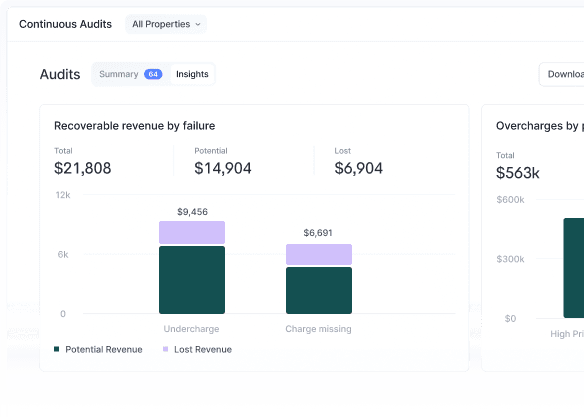
Where SurfaceAI Fits in Multifamily Asset Management Reporting
SurfaceAI supports multifamily asset management reporting by improving confidence in the operating data behind the report.
SurfaceAI is not a traditional asset management platform or investor portal.
It works alongside property management software and reporting systems to help validate lease, document, rent roll, and compliance data.
SurfaceAI helps multifamily teams:
- compare lease documents against PMS and rent roll records
- identify revenue-impacting discrepancies
- detect missing or incomplete lease files
- surface compliance exceptions
- support acquisition handoff visibility
- improve confidence in reported operating data
- give asset managers clearer insight into portfolio risk
This makes SurfaceAI valuable inside the broader software stack. It strengthens the data layer that asset management reporting depends on.
For product context, see the SurfaceAI Lease Audit Agent and Document Management Agent →
How to Evaluate Asset Management Software for Multifamily Reporting
When evaluating platforms, teams should look beyond dashboard design.
Portfolio visibility. Can leadership see performance across properties, regions, and ownership groups?
Data integration. Can the platform connect with PMS, accounting, reporting, and document systems?
Reporting flexibility. Can teams create reports for operations, asset management, ownership, and investor reporting?
Source data confidence. Can the system flag when reported numbers may rely on incomplete or inconsistent data?
Workflow management. Can findings become action items with owners, deadlines, and resolution status?
Asset-level risk tracking. Can the platform surface risks tied to revenue, compliance, documents, or operations?
User experience. Is the interface user friendly enough that asset managers and operations teams both use it consistently?
Scalability. Can the system support multiple properties, growing portfolios, and increasingly complex reporting needs?
Common Mistakes When Building a Multifamily Reporting Stack
Treating dashboards as the full solution. Dashboards are useful, but they do not fix bad source data.
Ignoring lease and document accuracy. Asset reporting depends on the accuracy of lease, rent roll, and document records.
Choosing tools that do not integrate. Disconnected tools create more manual reconciliation.
Reporting only financial outcomes. Financial reporting should be connected to operational drivers.
Separating acquisition data from ongoing reporting. Acquisition findings should carry into post-close asset management workflows.
Asset Management Reporting Checklist
A strong multifamily reporting stack should help teams track:
- occupancy
- rent roll accuracy
- budget-to-actual performance
- NOI
- operating expenses
- delinquency
- concessions
- lease expirations
- recurring charge accuracy
- document completeness
- compliance exceptions
- acquisition handoff issues
- unresolved operational risks
- portfolio-level trends
This gives asset managers a more complete view of performance and risk. It also helps teams reduce manual work by keeping data validation in one place instead of across spreadsheets.
Key Takeaway
The best asset management software for multifamily reporting is not just the system with the cleanest dashboard.
It is the stack that helps teams connect property performance, operating data, lease records, financials, and portfolio-level risk. It also helps multifamily properties operate efficiently across regions and ownership groups.
For multifamily operators, reliable reporting depends on more than visibility. It depends on data confidence.
Conclusion
Multifamily asset management reporting is becoming more complex as portfolios grow, systems multiply, and ownership teams expect faster visibility into performance.
The strongest software stack combines property management software, financial reporting, asset management tools, document systems, and operational intelligence.
If your team wants stronger reporting confidence across lease data, rent rolls, and compliance, book a demo. SurfaceAI helps multifamily teams validate the data behind portfolio reporting.
Frequently Asked Questions About Asset Management Software for Multifamily Reporting