
The Ultimate Real Estate Investment Checklist for Smarter Decisions

Every successful real estate investment begins with the right questions.
Investors often spend hours refining financial models or negotiating purchase prices. But many costly mistakes happen long before those stages. Missing documentation, incomplete market research, underestimated capital expenses, or overlooked operational risks can significantly affect returns, even when a property appears attractive on paper.
That’s why experienced investors rarely rely on instinct alone. They rely on a repeatable process.
This real estate investment checklist provides a structured framework to help you evaluate opportunities more consistently. You might be purchasing your first multifamily property or expanding an institutional portfolio. Either way, working through the same checklist for every deal reduces uncertainty and improves decision-making.
Want a deeper explanation of financial modeling and valuation methods? See our guide to real estate investment analysis. Evaluating software that supports the process? Our guide to real estate investment analysis tools explores the technology available today
Why Every Investor Needs a Checklist
No two properties are identical, but every acquisition requires the same fundamental review.
Without a standardized process, it’s easy to overlook details that may affect:
- purchase price
- rental income
- future maintenance costs
- regulatory compliance
- financing assumptions
- long term returns
A checklist creates consistency. It also helps teams evaluate every opportunity using the same objective criteria rather than relying on memory or assumptions. Many real estate investors manage multiple investment opportunities at once. That consistency is what keeps quality high across every deal.
Successful real estate investing depends on disciplined underwriting and reliable market intelligence rather than assumptions alone. According to Green Street, high-quality property and market data helps investors make more informed acquisition decisions. It also helps them evaluate risk more effectively and improve investment outcomes.

The Real Estate Investment Checklist
✓ 1. Define Your Investment Objectives
Before evaluating a property, clarify what success looks like.
Ask yourself:
- Is this a long term hold or a value-add opportunity?
- What return targets need to be achieved?
- What level of risk is acceptable?
- Does the property align with the overall portfolio strategy?
Clear investment goals help determine whether an opportunity deserves further analysis.
✓ 2. Research the Market
Even exceptional properties can underperform in weak markets.
Review:
- population growth
- employment trends
- rental demand
- new construction pipeline
- vacancy rates
- comparable rental pricing
- economic development projects
Market fundamentals often have a greater long-term impact than short-term financial performance. Thorough market analysis of the local real estate market grounds every assumption that follows.
✓ 3. Evaluate the Property Itself
The physical asset should support your investment strategy.
Assess:
- building condition
- age of major systems
- deferred maintenance
- curb appeal
- unit mix
- amenities
- occupancy history
Unexpected capital expenditures can materially affect returns. The property type also shapes what to prioritize here. A garden-style community and a high-rise carry very different capital profiles.
✓ 4. Review Financial Performance
Historical financial performance provides valuable context.
Review:
- income statements
- operating expenses
- net operating income (NOI)
- rent collections
- delinquency trends
- capital expenditures
- utility costs
Verify that reported numbers are supported by documentation whenever possible. Net operating income (NOI) is the figure most underwriting assumptions build on, so confirm it reflects reality.
✓ 5. Analyze Rental Income
Income should extend beyond base rent.
Review:
- market rents
- current lease rates
- renewal history
- concessions
- parking income
- pet fees
- storage revenue
- utility reimbursements
- other recurring charges
Small inconsistencies can significantly affect projected cash flow and, ultimately, your return on investment (ROI).
✓ 6. Validate Lease Documentation
Lease documents remain one of the most important sources of information during property evaluation.
Confirm:
- executed leases
- amendments
- renewal agreements
- concessions
- recurring charge agreements
- resident documentation
Incomplete lease records increase operational uncertainty.
✓ 7. Assess Operational Performance
Strong operations often indicate lower execution risk after acquisition.
Evaluate:
- maintenance response times
- resident turnover
- staffing
- vendor relationships
- work order trends
- resident satisfaction indicators
Operational efficiency directly influences long-term performance. If a property manager is already in place, their track record tells you a lot about what you’re inheriting.
✓ 8. Review Legal and Compliance Records
Legal issues discovered after closing can become expensive.
Review:
- title documentation
- zoning
- permits
- insurance
- litigation
- compliance records
- service agreements
Ensure the property satisfies applicable regulatory requirements. This is a core part of due diligence that’s easy to rush and expensive to skip.
✓ 9. Understand Financing Assumptions
Before finalizing underwriting, confirm:
- loan terms
- interest rates
- amortization
- debt coverage ratios
- lender requirements
- closing costs
Stress-testing financing assumptions improves investment confidence. In a shifting rate environment, small changes in interest rates can swing projected returns meaningfully.
✓ 10. Estimate Future Capital Requirements
Many acquisitions require ongoing investment.
Estimate future costs for:
- roofing
- HVAC systems
- parking lots
- elevators
- common areas
- unit renovations
- life safety systems
Capital planning should be incorporated into financial projections.
✓ 11. Identify Operational Risks
Every investment carries risk.
Examples include:
- lease discrepancies
- incomplete documentation
- occupancy concentration
- deferred maintenance
- compliance issues
- staffing challenges
Understanding risk allows investors to negotiate more effectively.
✓ 12. Validate the Data Behind the Investment
Financial models are only as reliable as the underlying information.
Before making a final decision, confirm that:
- lease information matches rent rolls
- recurring charges are accurate
- documentation is complete
- financial assumptions reflect operational reality
This final validation step often uncovers issues that aren’t immediately visible during initial underwriting. For a transaction-focused version of this step, see our due diligence review checklist →
Analyzing Real Estate Investments: Turning Information Into Decisions
A checklist organizes the review process. But analyzing real estate investments requires interpreting what the information means.
For example, two properties may have identical occupancy rates but very different investment potential because of:
- lease quality
- capital requirements
- operational efficiency
- resident turnover
- market conditions
- future revenue opportunities
The checklist helps ensure no important category is overlooked. Analysis determines whether the investment aligns with your objectives.
This is also where you translate raw data into the metrics that drive decisions. That means potential return, annualized return, and the projected investment returns across your hold period. A property that clears every checklist item still has to clear your return threshold.
Strong investment returns depend on disciplined underwriting and thorough validation of the assumptions supporting every acquisition. According to PREA comprehensive due diligence is essential to understanding investment risk. That includes verifying financial, operational, legal, and property-level information before making a decision.
Common Mistakes Investors Make
Even experienced investors occasionally skip important review steps.
Some of the most common mistakes include:
- relying solely on broker-provided information
- focusing only on purchase price
- ignoring operational performance
- underestimating capital expenditures
- overlooking lease documentation
- failing to validate reported financial data
- assuming market conditions will remain unchanged
A structured checklist helps reduce these risks.
How Technology Supports Better Investment Reviews
As transactions become more data-intensive, many investors are using technology to improve consistency throughout the evaluation process.
Modern platforms help organize:
- financial records
- lease documents
- rent rolls
- property documentation
- operational reports
Artificial intelligence is also helping investors validate large datasets, identify inconsistencies, and prioritize records requiring further review.
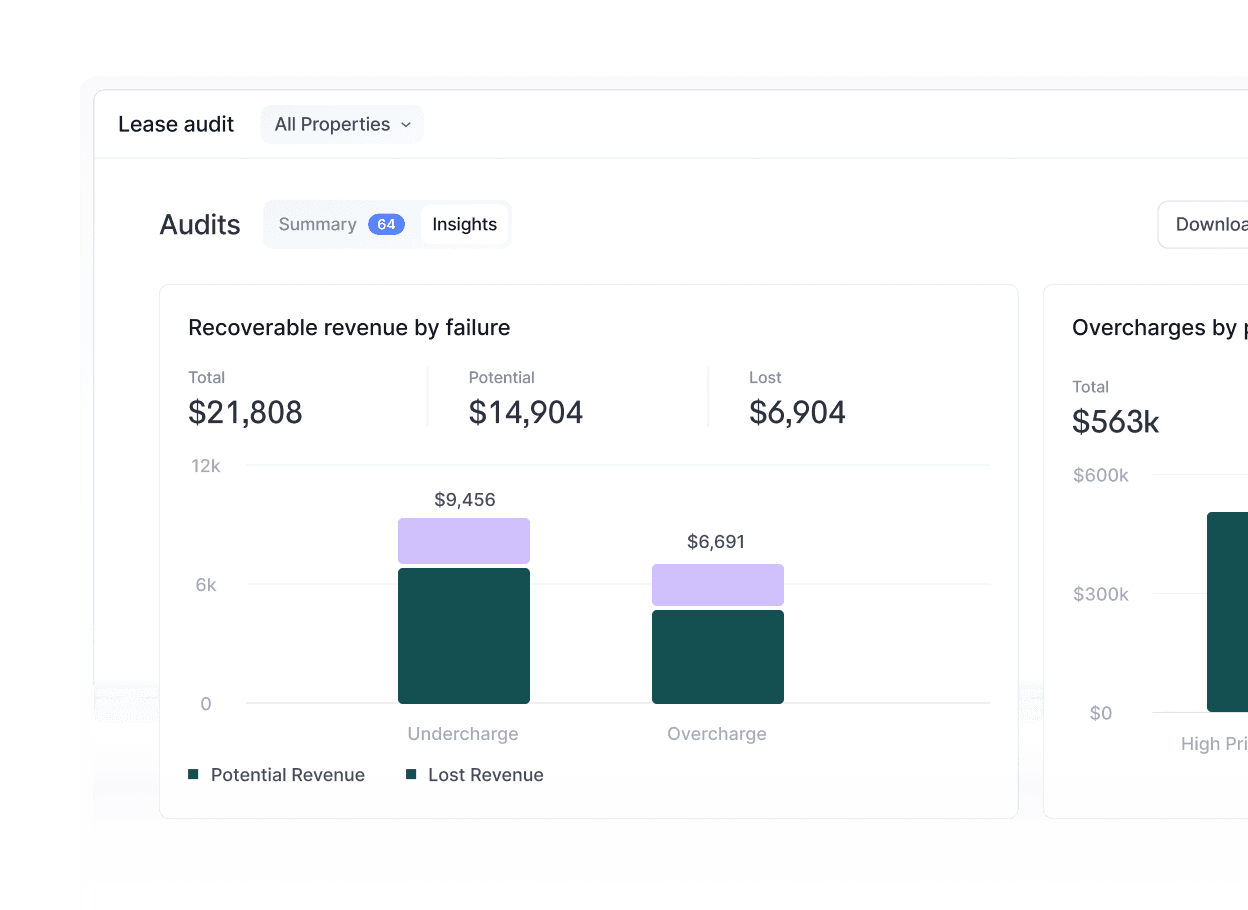
Rather than replacing investment professionals, technology reduces administrative effort so teams can focus on making informed decisions. SurfaceAI supports this approach. It helps multifamily investors validate lease data, compare operational records, and identify discrepancies that may influence underwriting or post-acquisition performance.
For product context, see the SurfaceAI Lease Audit Agent and Due Diligence Agent →
Printable Real Estate Investment Checklist
Before moving forward with an acquisition, confirm you’ve completed the following:
☐ Defined investment objectives
☐ Researched the local market
☐ Evaluated property condition
☐ Reviewed historical financial performance
☐ Verified rental income
☐ Validated lease documentation
☐ Assessed operational performance
☐ Reviewed legal and compliance records
☐ Confirmed financing assumptions
☐ Estimated future capital expenditures
☐ Identified operational risks
☐ Validated supporting data
Completing each step creates a more disciplined investment process.
Conclusion
Successful real estate investing isn’t about finding perfect properties. It’s about making informed decisions using reliable information.
A structured real estate investment checklist does three things. It helps investors evaluate opportunities consistently, identify potential risks early, and avoid overlooking details that could affect long-term performance.
Multifamily transactions keep getting more complex. Combining a disciplined review process with technology that validates operational data provides an even stronger foundation for confident investment decisions.
If your team wants to strengthen investment reviews and reduce uncertainty before investing in real estate, book a demo. SurfaceAI helps investors make faster, more informed decisions.
Frequently Asked Questions About Real Estate Investment